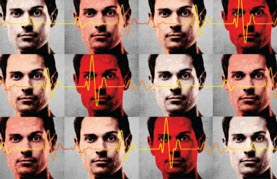
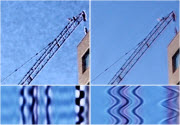
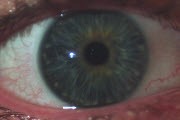
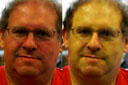
Many seemingly static scenes contain subtle changes that are invisible to the naked human eye. However, it is possible to pull out these small changes from videos through the use of algorithms we have developed. We give a way to visualize these small changes by amplifying them and we present algorithms to pull out interesting signals from these videos, such as the human pulse, sound from vibrating objects and the motion of hot air.
 |
 |
 |
 |
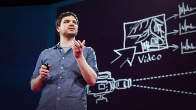
| New video technology that reveals an object's hidden properties Abe Davis @ TED, March 2015 |
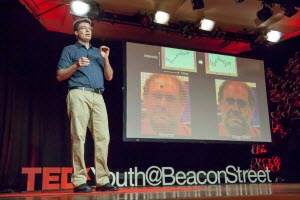
See invisible motion, hear silent sounds Michael Rubinstein @ TEDxBeaconStreet, Nov 2014 |
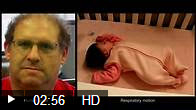
Revealing Invisible Changes In The World NSF Science and Engineering Visualization Challenge 2012 |
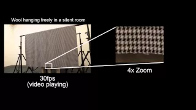
Visual Vibrometry: Estimating Material Properties from Small Motions in Video CVPR'15 Supplemental Video |
 |
 |
 |
| Finding the Visible in the Invisible Story in NY Times, Feb 2013 |
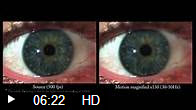
Eulerian Video Magnification SIGGRAPH'12 Supplemental Video |
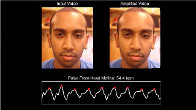
Detecting Pulse from Head Motions in Videos CVPR'13 Supplemental Video |
 |
 |
 |
| Phase-based Video Motion Processing SIGGRAPH'13 Supplemental Video |
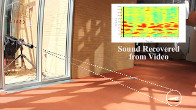
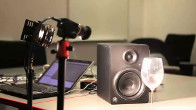
The Visual Microphone: Passive Recovery of Sound from Video SIGGRAPH'14 Supplemental Video |
Amplifying Tiny Movements to Visualize the Invisible Reuters Video, Jan 2015 |
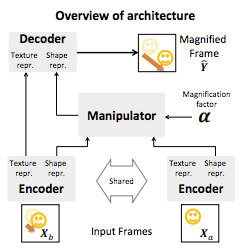
Eulerian Video Magnification code Matlab code and executables implementing Eulerian video processing for amplifying color and motion changes. Phase Based Video Motion Processing code Matlab code implementing the new and improved phase-based motion magnification pipeline. Learning-based Video Motion Magnification code Tensorflow implementation of the learning-based motion magnification pipeline. Videoscope Web interface for motion and color magnification. Upload your videos and have them magnified!
Publications (Magnifying Motion and Color Changes)
 |
Tae-Hyun Oh*, Ronnachai Jaroensri*, Changil Kim, Mohamed Elgharib, Frédo Durand, William T. Freeman, Wojciech Matusik |
 |
Mohamed A. Elgharib, Mohamed Hefeeda, Frédo Durand, William T. Freeman |
 |
Frédo Durand, William T. Freeman, Michael Rubinstein |
 |
Neal Wadhwa, Michael Rubinstein, Frédo Durand, William T. Freeman |
 |
Neal Wadhwa, Michael Rubinstein, Frédo Durand, William T. Freeman |
 |
Michael Rubinstein, Neal Wadhwa, Frédo Durand, William T. Freeman |
 |
Hao-Yu Wu, Michael Rubinstein, Eugene Shih, John Guttag, Frédo Durand, William T. Freeman |
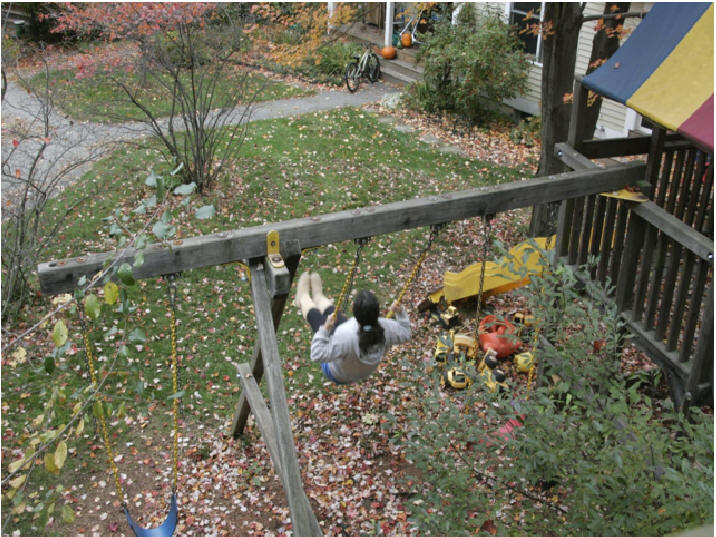 |
Ce Liu, Antonio Torralba, William T. Freeman, Frédo Durand, Edward H. Adelson |
Publications (Analysis of Small Motions)
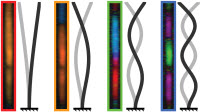 |
Abe Davis, Katherine L. Bouman, Justin G. Chen, Michael Rubinstein, Frédo Durand, William T. Freeman |
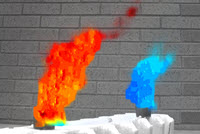 |
Tianfan Xue, Michael Rubinstein, Neal Wadhwa, Anat Levin, Frédo Durand, William T. Freeman |
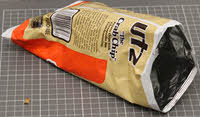 |
Abe Davis, Michael Rubinstein, Neal Wadhwa, Gautham Mysore, Frédo Durand, William T. Freeman |
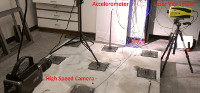 |
Justin G. Chen, Neal Wadhwa, Young-Jin Cha, Frédo Durand, William T. Freeman, Oral Buyukozturk |
 |
Guha Balakrishnan, Frédo Durand, John Guttag |
Faculty:
|
|
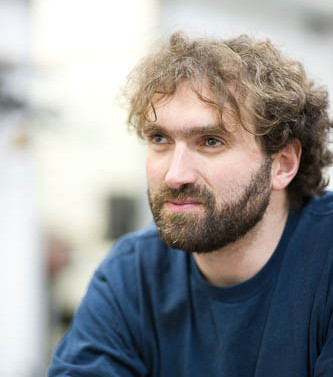
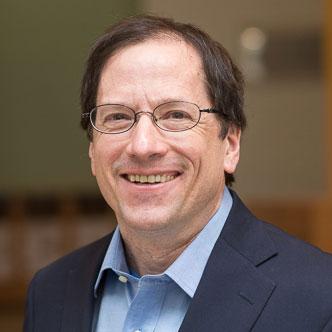
| Frédo Durand | William T. Freeman |
Students, Postdocs and Affiliates:

|

|
|

|

|
|

|
|
|
|
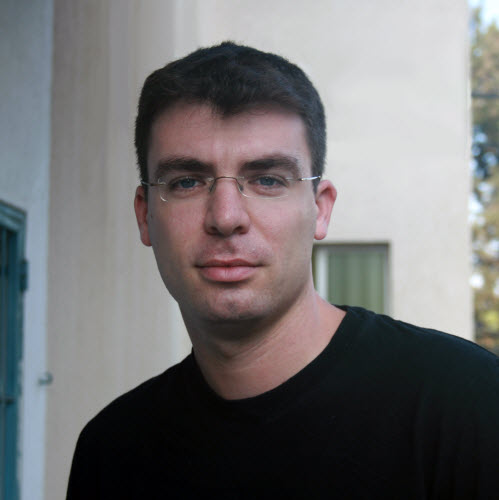
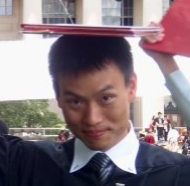
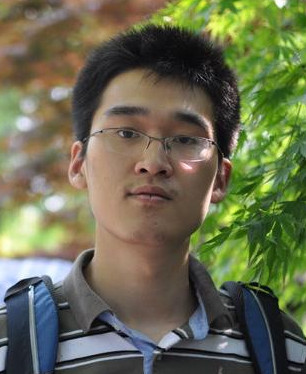
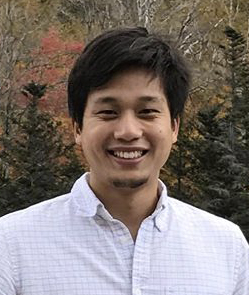
| Guha Balakrishnan | Katherine L. Bouman | Justin G. Chen | Abe Davis | Hossein Mobahi | Michael Rubinstein | Neal Wadhwa | Hao-Yu Wu | Tianfan Xue | Ronnachai 'Tiam' Jaroensri |
Collaborators: Edward H. Adelson, Oral Buyukozturk, Anat Levin, Ce Liu, John Guttag, Gautham J. Mysore, Eugene Shih, Antonio Torralba

Related Work and Other Applications
|
Visible Imaging of Global MHD on MAST |
|
Auto Localization and Segmentation of Occluded Vessels in Robot-Assisted Partial Nephrectomy.
Amir-Khalili, A., Peyrat, J. M., Abinahed, J., Al-Alao, O., Al-Ansari, A., Hamarneh, G., and Abugharbieh, R. |
|
A Big World of Small Motions, Michael Rubinstein |
|
Revealing What's Hidden in Videos, William T. Freeman |
 |
 |
 |
 |
 |
 |
 |
 |
 |
 |